

Fibromyalgia is a complex, long-term condition that can affect almost every aspect of daily life. From persistent widespread pain and overwhelming fatigue to disrupted sleep, brain fog and muscle stiffness, its symptoms can make even ordinary activities feel exhausting.
Although there is currently no cure for fibromyalgia, there are ways to help manage symptoms, improve physical function and support a better quality of life.
Alongside medical care, a range of conservative, non-surgical therapies may help people living with fibromyalgia. These include gentle exercise, chiropractic care, photobiomodulation (red and near-infrared light therapy), relaxation-based treatments and, in some circumstances, emerging therapies such as hyperbaric oxygen therapy.
But what does the evidence actually tell us? Which approaches are worth considering, and how can they be incorporated into a personalised treatment plan?
At Fox Chiropractic Clinic, we believe in an individualised approach that focuses on understanding your symptoms, supporting movement and helping you find practical ways to improve your day-to-day wellbeing.
What is fibromyalgia?
Fibromyalgia is a chronic condition characterised by widespread musculoskeletal pain, tenderness and increased sensitivity to painful and non-painful stimuli.
It is often associated with changes in how the nervous system processes pain, sometimes described as central sensitisation. Rather than being caused solely by damage to muscles or joints, fibromyalgia involves altered pain processing and can be influenced by sleep, stress, physical activity and other biological factors.
Common symptoms include:
Widespread pain: aching, burning or throbbing sensations affecting multiple areas of the body.
Persistent fatigue: feeling exhausted even after adequate rest.
Sleep disturbances: difficulty falling asleep, staying asleep or waking feeling refreshed.
Brain fog: difficulties with concentration, memory and mental clarity.
Muscle stiffness: particularly after periods of inactivity or upon waking.
Increased sensitivity: discomfort in response to pressure, touch, temperature or other stimuli.
Associated symptoms: headaches, digestive symptoms and heightened sensitivity to stress may also occur.
Symptoms can fluctuate considerably. Someone may feel relatively well one day and struggle with ordinary tasks the next.
Importantly, fibromyalgia is a genuine and complex condition. Symptoms are not simply the result of poor posture, muscle tightness or psychological stress, and effective management should recognise the interaction between the nervous system, physical health, sleep and overall wellbeing.
Why consider conservative therapies?
Fibromyalgia management typically works best when several strategies are combined rather than relying on a single treatment.
Conservative therapies aim to support different aspects of the condition, including pain management, mobility, relaxation, sleep and confidence with movement.
Depending on the individual, a management plan may include:
Education and reassurance about the condition.
Gradual, appropriately paced physical activity.
Physiotherapy or carefully adapted rehabilitation.
Manual therapies for comfort and mobility.
Sleep management and stress-reduction strategies.
Psychological approaches, where appropriate.
Medical review and medication when indicated.
Selected adjunctive treatments, where the potential benefits and limitations are understood.
The goal is not necessarily to eliminate every symptom. It is to help people move more comfortably, manage flare-ups and participate more fully in everyday life.
Let's explore some of the conservative therapies that may have a role.
1. Photobiomodulation: Low Level Laser, Red and near-infrared light therapy
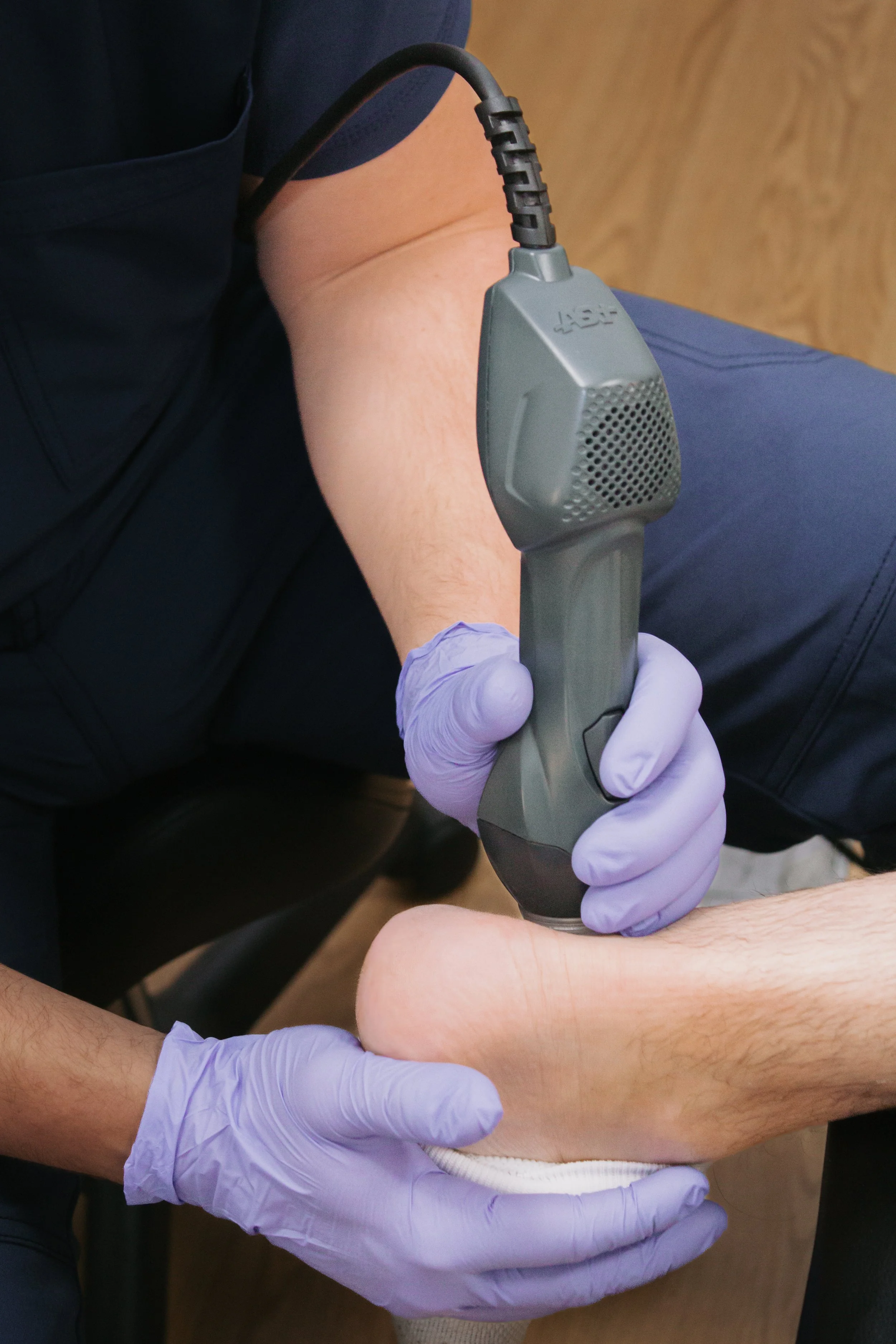
Photobiomodulation (PBM), sometimes called low-level light therapy or low-level laser therapy, uses specific wavelengths of red or near-infrared light to influence biological processes within cells.
Unlike ultraviolet light, PBM does not rely on damaging the skin to produce an effect. Instead, it aims to stimulate cellular signalling pathways that may influence inflammation, tissue responses and pain signalling.
How might it help fibromyalgia?
Researchers have investigated PBM as a way to reduce pain and improve quality of life in people with fibromyalgia.
Proposed mechanisms include effects on mitochondrial activity, cellular energy signalling, oxidative stress and inflammatory pathways. PBM may also influence peripheral pain signalling, potentially helping to reduce some of the input contributing to a heightened pain response.
However, these mechanisms are still being investigated, and they do not establish that PBM can directly reverse the central nervous system changes associated with fibromyalgia.
What does the evidence say?
Clinical trials and systematic reviews have reported promising results, particularly for:
Short-term reductions in pain.
Improvements in fibromyalgia-related impact and quality of life.
Possible reductions in stiffness and tenderness.
Potential improvements in fatigue and other associated symptoms.
However, studies have used different wavelengths, doses, treatment locations and schedules. The overall evidence remains limited by small trials, variation in study quality and a lack of robust long-term follow-up.
It is also important to distinguish between different devices. Evidence for low-level laser protocols cannot automatically be applied to every red-light LED panel, near-infrared device or high-power Class IV laser.
What about red-light and near-infrared LED therapy?
Red and near-infrared LED devices are often used in photobiomodulation treatments. Their effects depend on the device's wavelength, irradiance, dose, treatment duration and the amount of light reaching the target tissue.
Although these devices may offer a comfortable, non-invasive treatment option, direct clinical evidence for LED treatment specifically in fibromyalgia is less established than the broader evidence sometimes presented for PBM as a category.
The takeaway: Photobiomodulation is a promising area of research and may be worth discussing as an adjunctive option. It should not be presented as a cure, and treatment should be selected according to the evidence for the particular device and protocol.
2. Chiropractic care: Supporting movement and musculoskeletal comfort
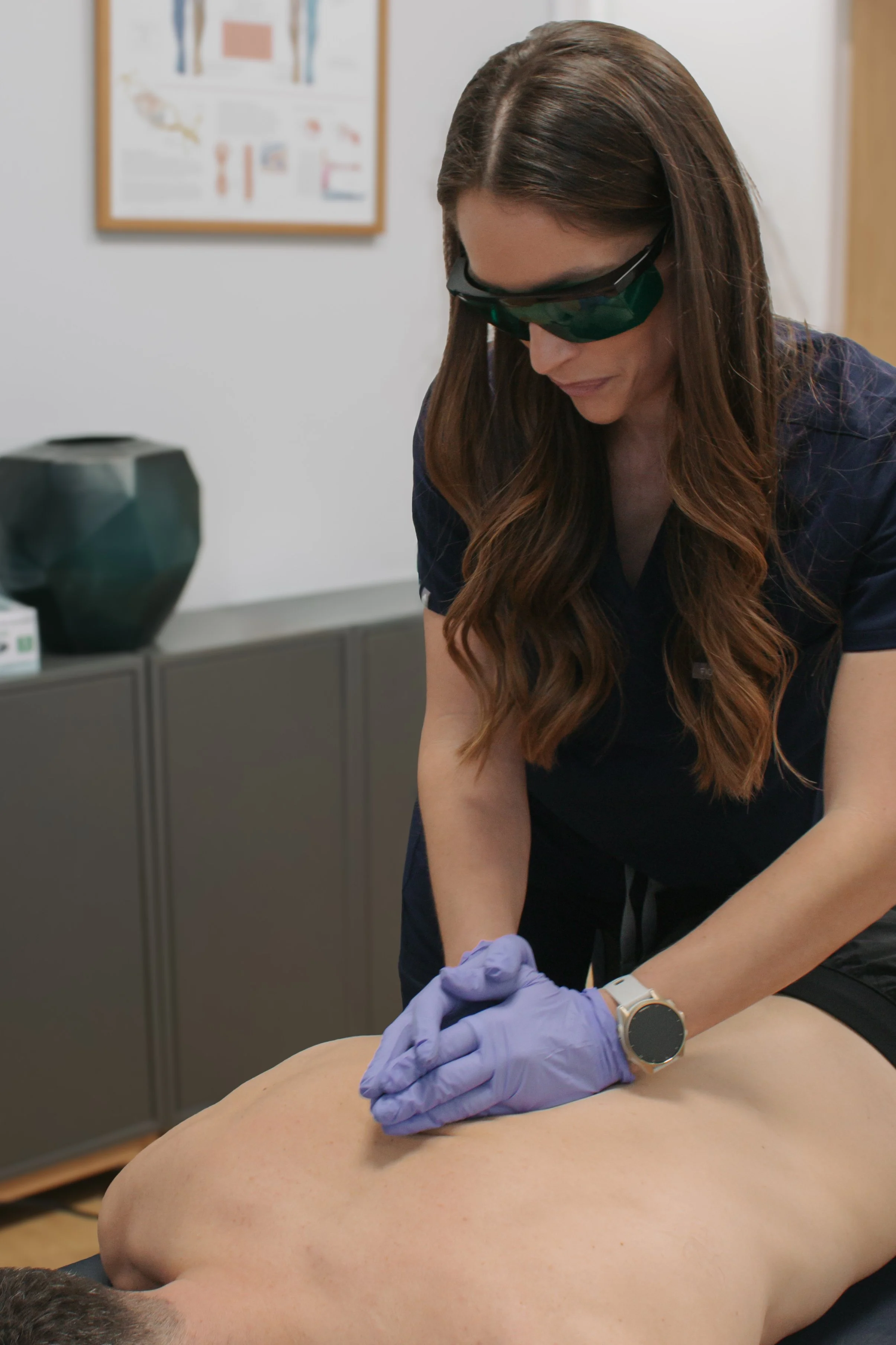
People with fibromyalgia may experience neck pain, back pain, joint discomfort, muscle stiffness and difficulty maintaining comfortable movement.
Chiropractic care focuses on the assessment and management of musculoskeletal problems. Depending on the individual's symptoms, treatment may include advice, gentle mobilisation, soft-tissue techniques, movement strategies and tailored exercise.
How might chiropractic care help?
For someone with fibromyalgia, the aim should be to improve comfort and function rather than assume that the condition is caused by spinal misalignment or a problem that can be corrected through manipulation.
An individualised approach may help with:
Managing a coexisting mechanical neck or back pain problem.
Improving confidence with gentle movement.
Addressing local muscular discomfort.
Developing practical mobility and self-management strategies.
Supporting a gradual return to activities that have become difficult.
What does the evidence say?
Evidence supporting chiropractic treatment specifically for fibromyalgia is limited. Some people may experience short-term relief from manual therapy, but high-quality research has not established spinal manipulation as an effective treatment for fibromyalgia itself.
Because people with fibromyalgia can have increased sensitivity to pressure and touch, treatment intensity matters. Gentle techniques may be more appropriate than forceful manipulation, particularly during a flare-up or when the individual reports significant tenderness.
Treatment should be adapted to the person's tolerance, preferences and medical history, with the option to stop or modify any technique that aggravates symptoms.
The takeaway: Chiropractic care may have a role in managing coexisting musculoskeletal pain and supporting movement, but it should form part of a broader management plan rather than be regarded as a standalone treatment for fibromyalgia.
3. Hyperbaric oxygen therapy: An emerging area of research
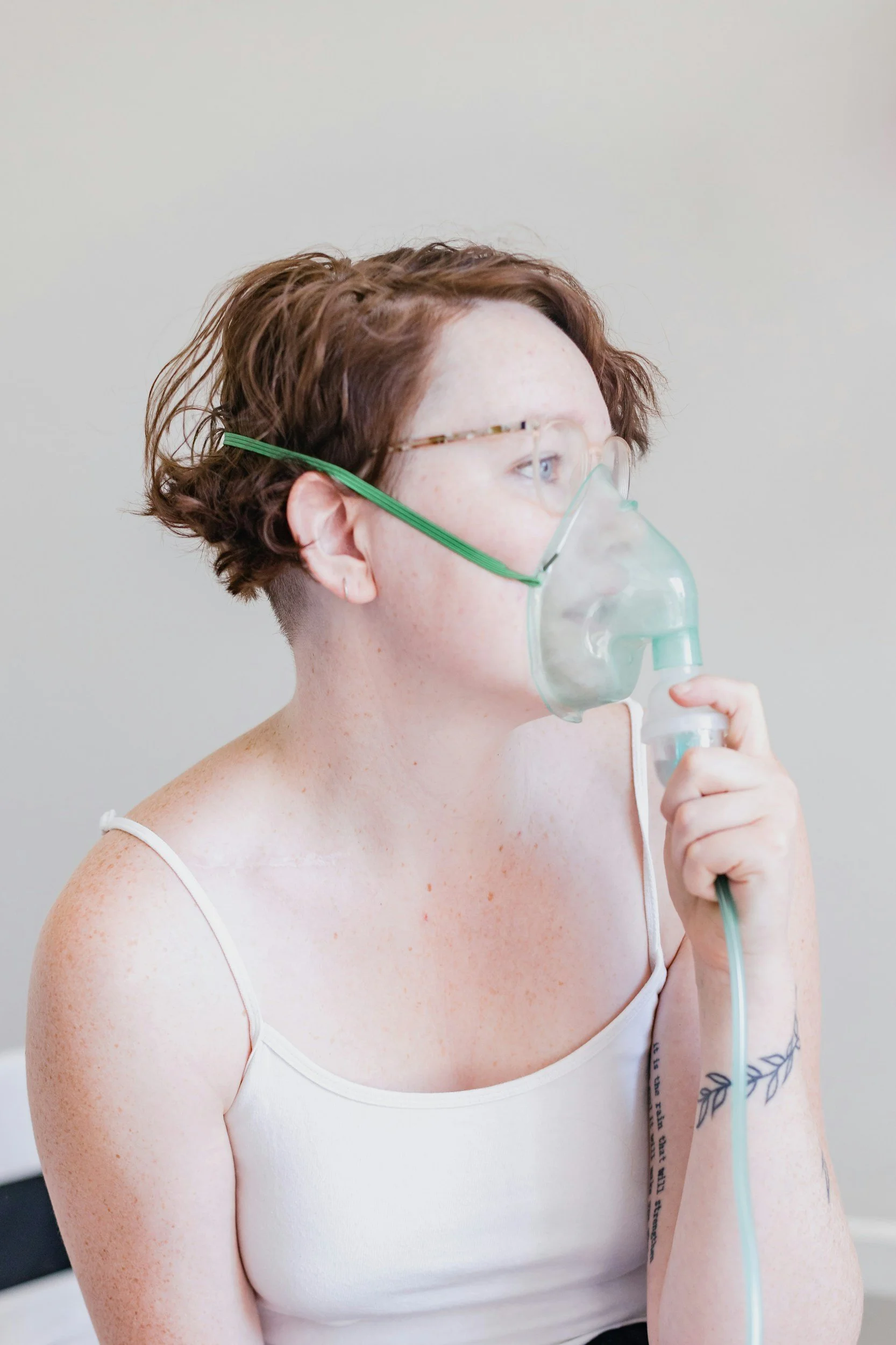
Hyperbaric oxygen therapy (HBOT) involves breathing oxygen at a concentration higher than normal while inside a pressurised chamber. This increases the amount of oxygen dissolved in the blood.
HBOT is an established medical treatment for certain specific conditions, but its use for fibromyalgia remains an area of investigation.
Why is it being studied?
Researchers have explored whether increasing oxygen availability under pressure might influence inflammatory signalling, tissue responses and neurological processes associated with chronic pain.
Some studies have reported improvements in pain, tender-point sensitivity, quality of life and other fibromyalgia symptoms following courses of HBOT.
These findings have generated interest because fibromyalgia can be associated with complex changes in pain processing that are not easily addressed by treatments directed at muscles and joints alone.
What are the limitations?
The clinical evidence remains preliminary. Studies have often involved relatively small groups, specialised treatment protocols and intensive courses of therapy. Some have reported substantial improvements, but independent replication and larger, well-designed trials are needed to establish how reliable these results are and which patients, if any, are most likely to benefit.
HBOT can also be expensive and time-consuming. It is not a routine first-line treatment for fibromyalgia, and its availability does not mean it is appropriate for everyone.
It also carries risks, including ear or sinus barotrauma, temporary visual changes and, rarely, oxygen toxicity. Assessment by a suitably qualified medical service is essential. People should not substitute unproven chamber treatments for established medical care.
The takeaway: Hyperbaric oxygen therapy is an interesting but still experimental option for fibromyalgia. Current evidence is insufficient to recommend it routinely, and it should only be considered after careful discussion of the uncertainty, cost and potential risks.
4. Infrared saunas and therapeutic heat
Heat can feel particularly soothing for people who experience muscle stiffness, aching and difficulty relaxing.
Infrared saunas use infrared radiation to heat the body, rather than relying exclusively on heating the surrounding air. Some people report feeling more relaxed and comfortable after a session.
How might heat help?
Potential short-term benefits include:
Temporary relief from muscular stiffness.
A feeling of relaxation and reduced tension.
Improved comfort when moving after a period of rest.
Support for a calming bedtime routine in some individuals.
Heat may influence circulation and sensory pain pathways, but these effects should not be interpreted as proof that infrared saunas treat the underlying mechanisms of fibromyalgia.
What does the evidence say?
Research into sauna-based and other thermal therapies for fibromyalgia is limited. Some small studies of repeated thermal treatment have reported improvements in pain or quality of life, but the findings are not sufficient to establish infrared saunas as an effective treatment for the condition.
Evidence from traditional sauna studies also cannot automatically be transferred to every infrared sauna device or protocol.
Is it safe?
People with fibromyalgia may respond differently to heat. Some find it helpful, while others experience increased fatigue, dizziness or symptom aggravation.
If you choose to try an infrared sauna, consider starting with a short, low-temperature session, maintaining hydration and stopping if you feel unwell. Extra caution is needed if you have low blood pressure, cardiovascular disease, impaired temperature sensation, a tendency to faint or another condition that affects heat tolerance. Seek medical advice where appropriate.
The takeaway: Infrared sauna sessions may provide temporary relaxation and symptom relief for some people, but they should be regarded as a comfort measure rather than a proven treatment for fibromyalgia.
5. Gentle exercise and rehabilitation: Building tolerance over time
Although movement can initially feel uncomfortable, appropriately tailored physical activity is one of the most important components of fibromyalgia management.
When pain and fatigue fluctuate, it can be tempting to avoid activity altogether. However, prolonged inactivity can contribute to deconditioning, reduced strength and lower confidence with movement.
The answer is not to push through every symptom or follow a rigid exercise programme. It is to find a manageable starting point and progress gradually.
What types of exercise may help?
Depending on individual ability and preferences, options include:
Walking at a comfortable pace.
Swimming or exercising in warm water.
Gentle resistance training.
Mobility exercises and stretching.
Tai chi or other mindful movement practices.
Low-intensity cycling or other aerobic activity.
Why is pacing important?
People with fibromyalgia may experience a flare-up after doing too much on a relatively good day. This can create a cycle of overactivity followed by exhaustion and prolonged recovery.
Pacing involves balancing activity and rest, breaking tasks into manageable sections and increasing activity only when the current level is reasonably well tolerated.
A rehabilitation programme should be flexible enough to accommodate changes in symptoms rather than treating every missed session as a setback.
The takeaway: Gradual, individually tailored exercise has a stronger evidence base in fibromyalgia management than many passive therapies. The right programme should build confidence and capacity without repeatedly triggering excessive symptom flares.
6. Manual lymphatic drainage: Gentle support for relaxation and comfort

Manual lymphatic drainage (MLD) is a specialised massage technique that uses slow, gentle, rhythmic movements to encourage the movement of lymphatic fluid through the lymphatic system. Unlike traditional sports or deep-tissue massage, it involves very light pressure and is designed to be calming and comfortable.
For people living with fibromyalgia, who may experience heightened sensitivity to touch, widespread tenderness and persistent fatigue, the gentle nature of MLD may make it an appealing option.
How might manual lymphatic drainage help?
MLD is primarily used in the management of lymphoedema and certain types of swelling. It is not an established treatment for fibromyalgia itself, but some of its characteristics may offer supportive benefits for people experiencing chronic pain.
Potential benefits include:
Relaxation: The slow, rhythmic nature of treatment may help promote a sense of calm and wellbeing.
Gentle touch: Light pressure may be more comfortable for people who find conventional massage too intense.
Comfort and body awareness: Some individuals may find gentle treatment helps them feel more comfortable and relaxed.
Support with swelling, where indicated: If a person has a separate condition causing lymphatic swelling, MLD may be appropriate as part of a professionally guided management plan.
What does the evidence say?
Research specifically investigating manual lymphatic drainage for fibromyalgia is limited. Small studies of manual therapies, including lymphatic drainage techniques, have explored possible effects on pain, tenderness and quality of life, but the evidence is not strong enough to establish MLD as an effective treatment for fibromyalgia.
It is also important to distinguish between relaxation and symptom relief on the one hand, and treating a problem with lymphatic circulation on the other. Fibromyalgia does not inherently mean that the lymphatic system is impaired, and there is currently insufficient evidence to claim that MLD removes toxins, treats the underlying condition or reduces fibromyalgia-related inflammation.
Is it suitable for everyone?
Because MLD uses gentle pressure, some people may find it more tolerable than deeper massage. Nevertheless, individual responses vary, and even light touch can be uncomfortable during a flare-up.
Treatment should be adapted to the individual's symptoms and preferences. People with suspected blood clots, acute infection, certain heart conditions or other contraindications should seek appropriate medical advice before treatment.
The takeaway: Manual lymphatic drainage may be a gentle relaxation-focused option for some people with fibromyalgia, particularly those who prefer light-touch therapies. However, its benefits for fibromyalgia symptoms remain uncertain, and it should be considered a supportive treatment rather than a proven therapy for the condition.
7. Sleep, stress management and nervous-system regulation
Fibromyalgia does not occur in isolation. Poor sleep, persistent stress and the demands of living with chronic pain can all influence how symptoms are experienced.
This does not mean that fibromyalgia is psychological or that symptoms can be overcome through positive thinking. Rather, sleep, stress responses and pain processing interact with the nervous system and can influence symptom severity.
Approaches that may help include:
Maintaining a regular sleep and wake schedule.
Creating a relaxing bedtime routine.
Using breathing exercises or mindfulness if personally helpful.
Breaking demanding tasks into manageable periods.
Seeking psychological support where chronic pain is affecting mood or coping.
Reviewing persistent sleep problems with a healthcare professional.
For some people, improving sleep or reducing the stress associated with symptom flare-ups can make other elements of their management plan easier to sustain.

Putting it all together: A personalised approach
There is no single therapy that works for everyone with fibromyalgia. The most useful approach is often a combination of strategies that address different aspects of the condition.
For one person, gentle exercise and improved sleep may make the biggest difference. Another may find that heat, massage or photobiomodulation provides additional short-term relief, making it easier to stay active.
A personalised plan might include:
Build a foundation: education, appropriate medical support, sleep strategies and gradually paced exercise.
Address musculoskeletal symptoms: consider gentle manual therapy, mobility work or massage where appropriate.
Explore adjunctive treatments: discuss the potential benefits, limitations and costs of photobiomodulation or other complementary therapies.
Monitor progress: assess changes in pain, fatigue, sleep, daily function and recovery rather than relying on pain scores alone.
Adapt as needed: modify the programme during flare-ups and increase activity gradually as tolerance improves.
It is also important to recognise when symptoms need further medical assessment. New or changing symptoms should not automatically be attributed to fibromyalgia.
How can Fox Chiropractic Clinic help?
At Fox Chiropractic Clinic, we understand that living with persistent pain can be physically and emotionally demanding. Our aim is to provide individualised care that takes your symptoms, preferences and goals into account.
Depending on your needs and suitability, conservative options may include chiropractic assessment and musculoskeletal care, sports or therapeutic massage, photobiomodulation and advice on movement and self-management.
We will discuss what each treatment can realistically offer, explain the limitations of the evidence and help you consider whether it fits into your wider management plan. Where necessary, we will recommend that you seek further assessment from your GP or another appropriate healthcare professional.
We do not believe in a one-size-fits-all approach. We believe in listening, adapting treatment to the individual and focusing on meaningful improvements in everyday life.
Final thoughts
Fibromyalgia can be challenging, unpredictable and exhausting, but there are practical ways to support symptom management and improve quality of life.
Photobiomodulation, chiropractic care, infrared saunas, massage and hyperbaric oxygen therapy are not equally well supported by research, and none should be presented as a cure. Some may offer additional symptom relief, while others remain experimental.
The strongest foundation remains a personalised, multidisciplinary approach that includes appropriate medical care, education, pacing, physical activity and support for sleep and wellbeing.
The aim is not simply to treat pain. It is to help you move more comfortably, manage your symptoms and get more out of everyday life.
If you are living with fibromyalgia and would like to explore your options, contact Fox Chiropractic Clinic to discuss a suitable, individualised approach.
Medical disclaimer: This article is for general educational purposes and is not a substitute for individual medical advice, diagnosis or treatment. Always discuss new therapies with an appropriately qualified healthcare professional, particularly if you have other medical conditions or take medication.
References and further reading
Photobiomodulation: Swathi G A et al. (2026). Effect of photobiomodulation on pain and quality of life in fibromyalgia syndrome: a systematic review. Lasers in Medical Science, 41, 125. Read the review.
Hyperbaric oxygen therapy: Chen X et al. (2023). Efficacy and safety of hyperbaric oxygen therapy for fibromyalgia: a systematic review and meta-analysis. BMJ Open, 13, e062322. Read the review.
NICE guidance: Chronic pain (primary and secondary) in over 16s: assessment of all chronic pain and management of chronic primary pain. Read the recommendations.
NHS: Fibromyalgia — treatment and symptom management. Read the NHS guidance.